
He established a testimony in Jacob and appointed a law in Israel, which he commanded our fathers to teach to their children, that the next generation might know them, the children yet unborn, and arise and tell them to their children, so that they should set their hope in God and not forget the works of God, but keep his commandments. – Psalm 78:5-7
I have a habit that many people don’t understand. If I like a movie, I will watch and rewatch it many times. Not back-to-back, mind you. But I will turn it on if I see it on the channel guide or will stream it if there isn’t anything else on that I want to watch. I have been told on several occasions that the endings of those movies won’t change, and so far, those people are right. I guess there’s just something I like about rewatching a movie that I enjoy, seeing things that I have missed or gaining perspectives that I hadn’t considered. I’m sure the world’s true academics cringe at that thought, but hey, I never claimed to be too intelligent, and you chose to read this.
One of my most repeatable movies is Gladiator, a film from the year 2000 starring Russell Crowe. It’s the story of a Roman general named Maximus. At the beginning of the movie, we find ourselves transported to the year 180 AD. The Roman army is preparing for battle against a Germanic tribe near Vindobona (the modern-day city of Vienna, Austria). As the start of the battle approaches, Maximus gives his final instructions to a company of soldiers on horseback. He is direct but also manages to sprinkle in some dark humor to the men about finding themselves in Elysium. As the chortles subside, Maximus offers a final reminder to his men.
“Brothers, what we do in life echoes in eternity.”
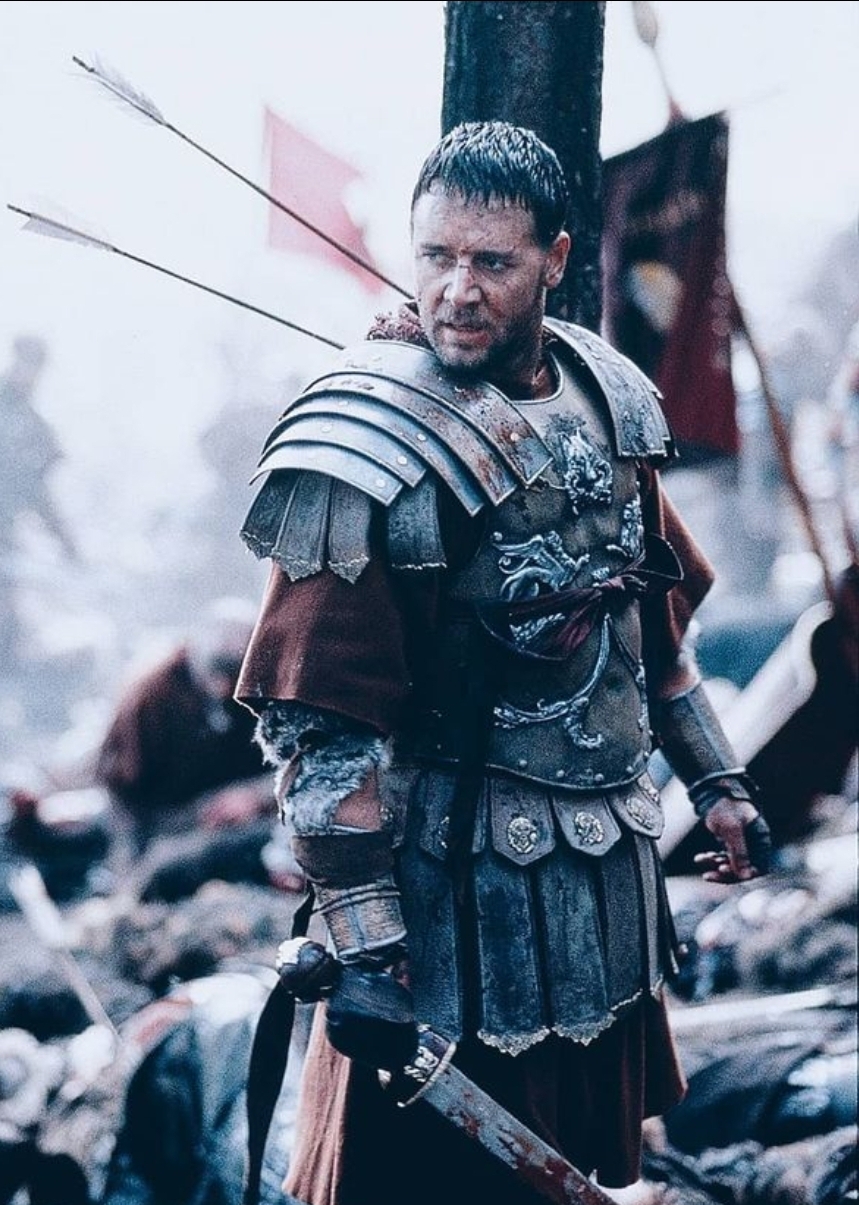
That is an interesting final statement to give these men with as they prepare to enter the fray. My initial thought was that this doesn’t offer a great deal of solace. But then again, what military leader offers solace before a fight? So, maybe this is a perfect send off. It sends a message of confidence that the battle will be won, and Rome will prevail. If we survive, we will be victorious and bask in glory. If we die, we will have given our lives to something bigger and more noble than any single one of us, the glory of Rome. Maximus’ words convey strength and honor, and who doesn’t want to be a part of that.
That’s all well and good for a soldier heading into battle, but does that same sentiment hold true under different circumstances? Do the actions of our lives truly echo in eternity?
I can see it in some occupations. Every four years, the people of the United States elect someone to lead our country. Their decisions will fill history books and be remembered for centuries. There are also a handful of performers and/or entertainers who may achieve a level of notoriety that their name and accomplishments might also tumble down through the annals of time. Like fame, infamy can also keep a person’s name and deeds alive long after they have died. Other than people in those exclusive categories, it’s hard to see how the lives of the rest of us common folk will echo into eternity.
Like it or not, without a careful and intentional process of chronicling stories and images, most children will remember only a handful of stories about their own parents. That number drops for each subsequent generation, leaving the details of a person’s life all but lost to history within 100 years of their death.
That’s a harsh truth to accept, but, nonetheless, it is the truth. We don’t like hearing it because deep down, we want our lives to have meaning and purpose. In our youth, we often consider ourselves invincible and destined to leave our mark on the world. As we mature, we understand more clearly how limited we are in our scope and influence. So even if you are fortunate enough to make a noise loud enough to be heard throughout your community, across the country, or even around the world, the echo of that sound will eventually fade into silence long before it is embraced by eternity.
So why are we here if we’re not making an impact?
Who said we weren’t?
Our lives, goals, desires, and ambitions may not leave us famous and remembered by future generations. However, we are blessed to have an eternal God who created us, the Son of God who joined us on earth for a time to save us, and the Spirit of God who creates faith in God within us. Our lives provide opportunities to serve God through the telling, sharing, and demonstrating of His great love for all mankind. When we do that, we fulfill the great commission (Matthew 28:19-20). Our lives present Christ and His love to others through the work of the Holy Spirit. In this, both we and those with whom we share our love of Jesus grow in their faith. It brings forgiveness, salvation, and eternal life to those who believe. This witness serves as the opportunity for God to bring others to faith through us, adding to the throngs who will join us in the body of believers. Finally, one day when the world has completely forgotten who we are and what we did, our Savior will bring us to the throne of God where we will be welcomed into Heaven. There, we will sing praises to God for all that He has done for us.
Praises that will echo in eternity.


 A Mile in My Schu's